Cold Plunge and Sauna: A Contrast Therapy Guide
What contrast therapy is, a typical hot-then-cold cycle, what it's associated with, how to start safely, and important safety cautions.
What Contrast Therapy Is
Contrast therapy means deliberately alternating exposure to heat and cold, most commonly a hot sauna followed by a cold plunge. The idea is that heat opens you up and relaxes the body, while cold creates a sharp, invigorating response, and that cycling between the two feels restorative. It is a long-standing practice in Nordic and bathing cultures.
A Typical Hot-Then-Cold Cycle
A common rhythm is to warm up thoroughly in the sauna, then move to a brief cold plunge, then rest and let your body normalize before repeating. Keep sessions moderate rather than pushing to extremes.
- Heat: a comfortable sauna session until you are warm and sweating
- Cold: a short cold plunge or cold shower, kept brief
- Rest: time at room temperature to recover and rehydrate before the next round
What It Is Associated With
Contrast practices are associated with feelings of improved circulation, perceived muscle recovery, and a noticeable boost in alertness afterward. Much of the supporting evidence is observational or based on subjective reports, so these are associations and not promises. Many people simply find the contrast pleasant and energizing.
How to Start Safely
Ease in gradually. Begin with shorter, milder exposures on both the hot and cold sides, and let your tolerance build over time. Hydrate well, listen to your body, and stop if you feel dizzy, faint, or unwell. There is no need to chase extreme temperatures or long durations to get the experience.
- Start small: shorter sauna time and very brief cold exposure
- Hydrate: drink water before and after
- Progress slowly: increase only as you stay comfortable
Important Safety Cautions
Contrast therapy puts real stress on the cardiovascular system. If you have a heart condition, high or low blood pressure, are pregnant, or have any medical concern, talk to a doctor before trying it. Never plunge or sauna alone, since the cold shock and the heat can both cause sudden faintness. Avoid alcohol, and exit immediately if anything feels wrong.
- Medical clearance: consult a professional with any heart or blood-pressure condition
- Never alone: always have someone nearby
- No alcohol: it raises the risk of fainting and poor judgment
Choosing Your Heat Source
Any sauna can anchor a contrast routine. If you are still deciding, our guide on infrared vs traditional saunas can help you pick the heat style that suits you best.
Top-Rated Saunas
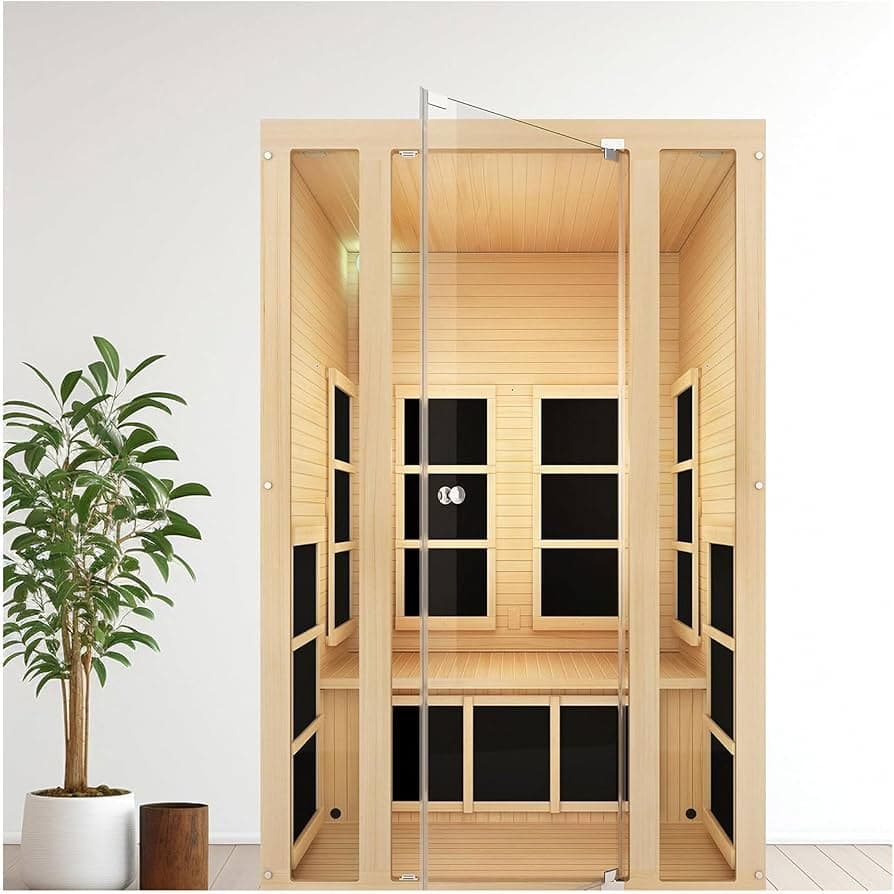
JNH Lifestyles Joyous 2 Person
A best-selling 2-person far-infrared sauna with 7 carbon-fiber heaters in a Canadian Hemlock cabin.
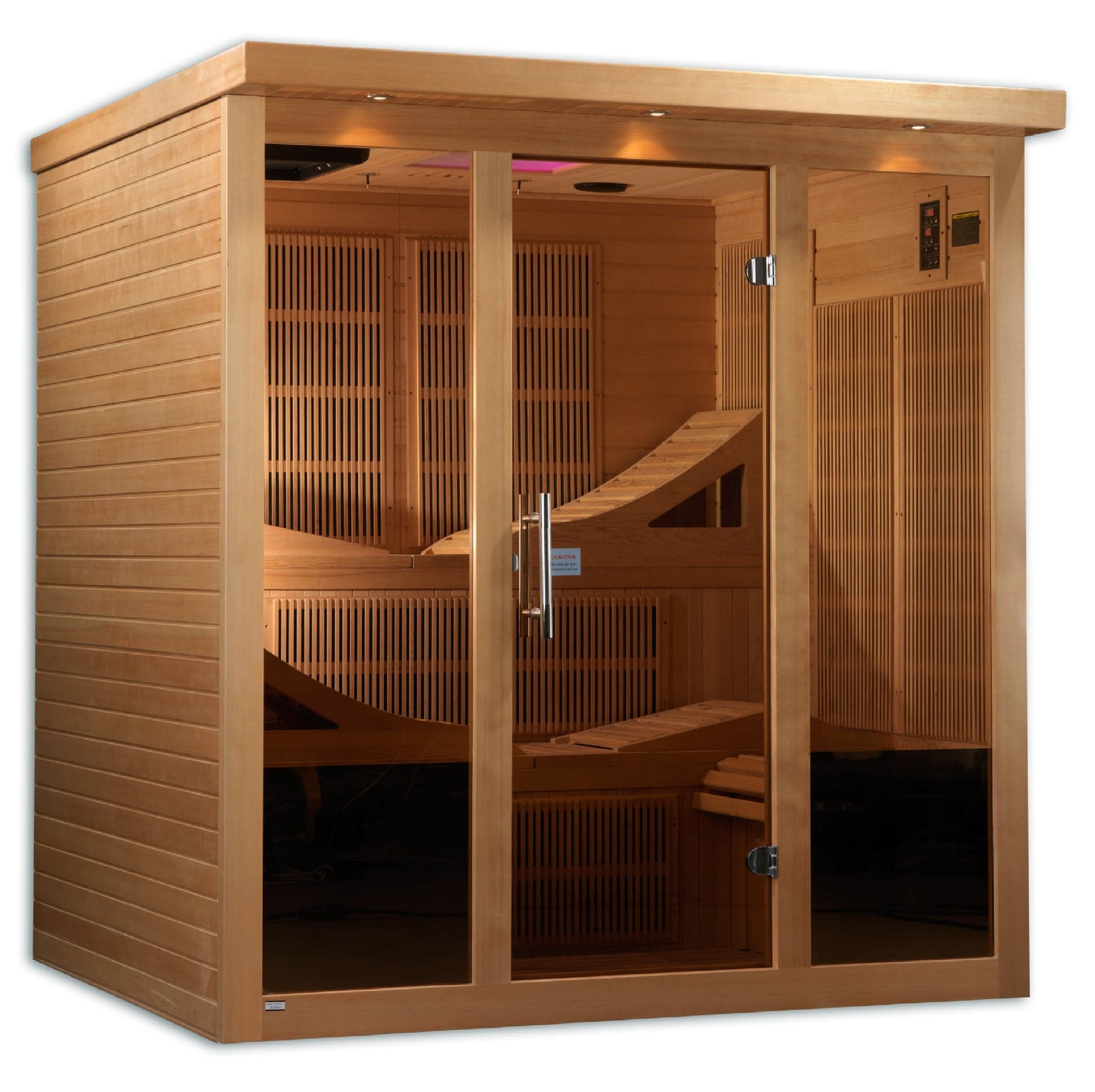
Golden Designs Monaco 6 Person
Spacious 6-person ultra-low-EMF far-infrared sauna in double-paneled Canadian Hemlock.