Infrared Sauna vs Steam Room: Which Is Right for You?
Dry infrared heat vs 100% humidity steam — how they differ in temperature, benefits, installation, and cost, and who should choose each.
The Core Difference
Infrared saunas use dry, radiant heat to warm your body directly at 120–150°F with very low humidity. Steam rooms run cooler (around 110–120°F) but at 100% humidity, surrounding you in thick, moist heat.
How They Feel
Infrared feels like a deep, dry warmth — you sweat heavily but the air stays breathable. A steam room feels enveloping and intense thanks to the saturated air, and is often easier on the sinuses.
Benefits Compared
- Infrared: favored for muscle recovery and relaxation; gentle, tolerable heat; very easy to install.
- Steam: the humidity is often preferred for respiratory comfort and skin hydration.
Both raise heart rate and induce sweating. As always, frame health benefits cautiously — they're associated with regular heat exposure, and much of the strongest research is on traditional saunas.
Installation & Maintenance
- Infrared: plug-and-play on 120V for most home units; dry environment is low-maintenance.
- Steam: needs a steam generator, plumbing, a fully sealed/waterproof enclosure, and diligent cleaning to prevent mold.
Cost
Home infrared cabins start around $1,000. Residential steam rooms typically cost more once you factor in the generator, waterproofing, and installation.
Which Should You Choose?
Choose infrared for easy installation, low running cost, and dry-heat recovery. Choose steam if you love humid heat and want respiratory and skin benefits — and don't mind the extra installation and upkeep.
Top-Rated Saunas
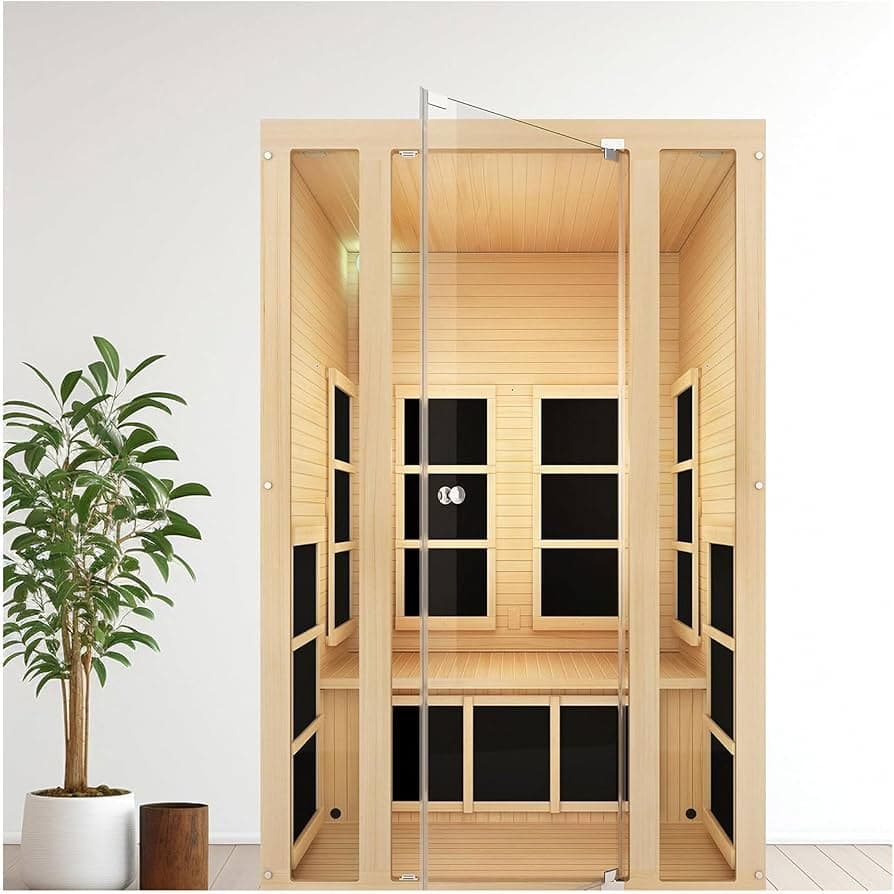
JNH Lifestyles Joyous 2 Person
A best-selling 2-person far-infrared sauna with 7 carbon-fiber heaters in a Canadian Hemlock cabin.
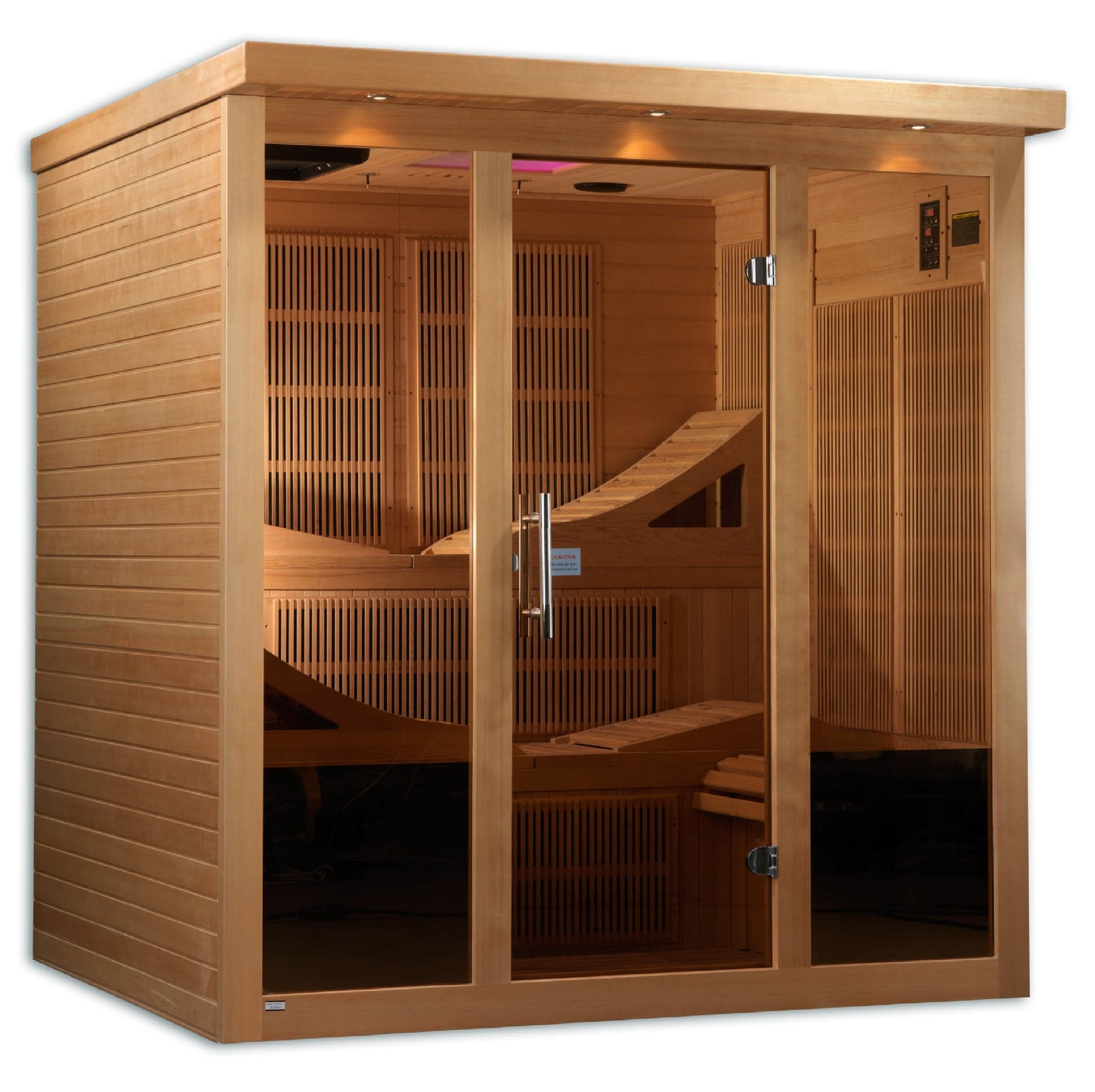
Golden Designs Monaco 6 Person
Spacious 6-person ultra-low-EMF far-infrared sauna in double-paneled Canadian Hemlock.