Saunas and Sleep: Can a Sauna Help You Sleep?
How a sauna's relaxation response and post-session temperature drop may support sleep, the best timing, and how to fit it into a wind-down routine.
Can a Sauna Really Help You Sleep?
Plenty of people swear that an evening sauna leaves them calmer and ready for bed. There are plausible reasons why, rooted in both relaxation and body-temperature changes. That said, the connection is best understood as an association reported by many users and some studies, not a guaranteed sleep aid for everyone.
The Relaxation Response
A quiet, warm sauna is a natural setting to decompress. Stepping away from screens and to-do lists, breathing slowly, and letting your muscles loosen can shift you out of a wound-up state. This sense of calm is one of the most consistently reported benefits of sauna use and may make it easier to fall asleep.
- Mental downtime: a sauna offers a screen-free pause that supports winding down.
- Muscle relaxation: warmth can ease physical tension that keeps you alert.
The Core-Temperature Drop
Your body naturally lowers its core temperature as you transition into sleep. After a sauna warms you up, the cooling that follows when you exit may reinforce this drop, and that decline is thought to help signal that it is time to sleep. This is a leading explanation for why a warm bath or sauna before bed feels sleep-promoting for some people.
- Warm, then cool: the post-session decline in temperature may aid sleep onset.
- Individual variation: the effect differs from person to person.
Timing Your Session
If sleep is your goal, finish your sauna a while before bed rather than right at lights-out, leaving time to cool down, shower, and rehydrate. Going to bed still overheated or dehydrated can backfire and make you restless instead of relaxed.
- Leave a buffer: allow time to cool and settle before getting into bed.
- Keep it moderate: a comfortable session beats an exhausting one for sleep.
Building a Wind-Down Routine
A sauna works best as one piece of a consistent evening routine. Pair it with dim lighting, a regular bedtime, and less caffeine and alcohol late in the day. For more on incorporating heat sessions thoughtfully, see how to use an infrared sauna.
Association, Not a Guarantee
Most sleep-and-sauna evidence is observational or based on small studies, so treat better sleep as a possible benefit rather than a promise. If you have chronic insomnia, that deserves dedicated attention beyond any single habit.
Safety Note
Saunas raise core temperature and can lower blood pressure, which may leave you lightheaded, especially late at night. If you are pregnant, have heart conditions, or take medications affecting blood pressure, hydration, or sleep, check with your doctor first. Always rehydrate, and never use a sauna after drinking alcohol.
Top-Rated Saunas
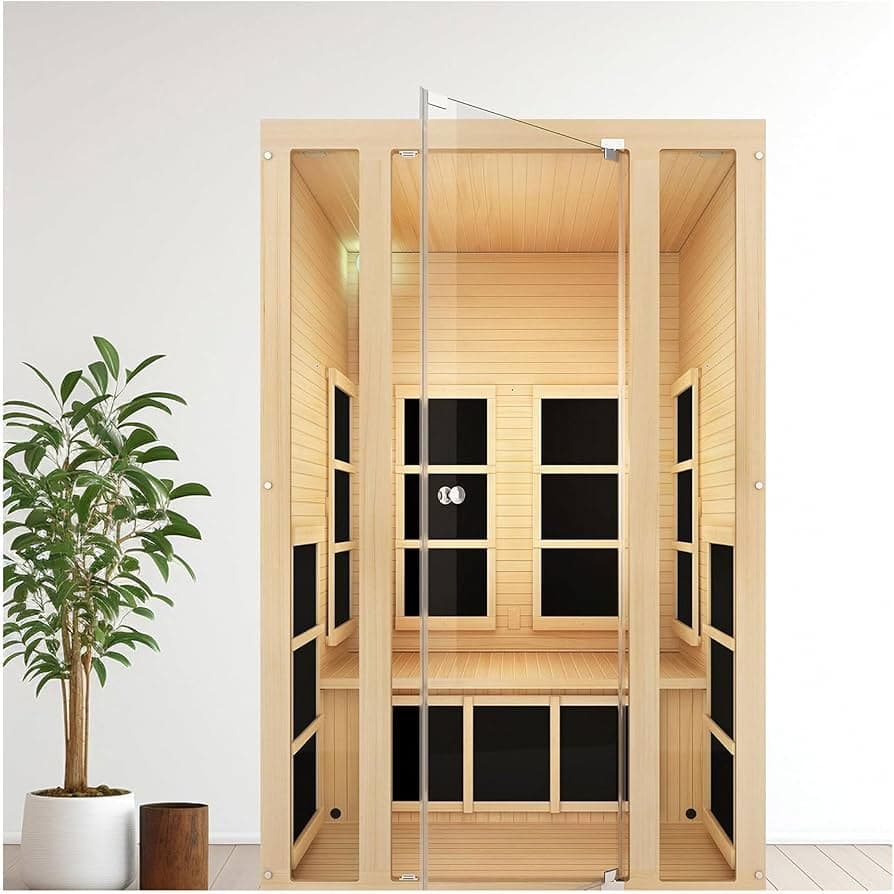
JNH Lifestyles Joyous 2 Person
A best-selling 2-person far-infrared sauna with 7 carbon-fiber heaters in a Canadian Hemlock cabin.
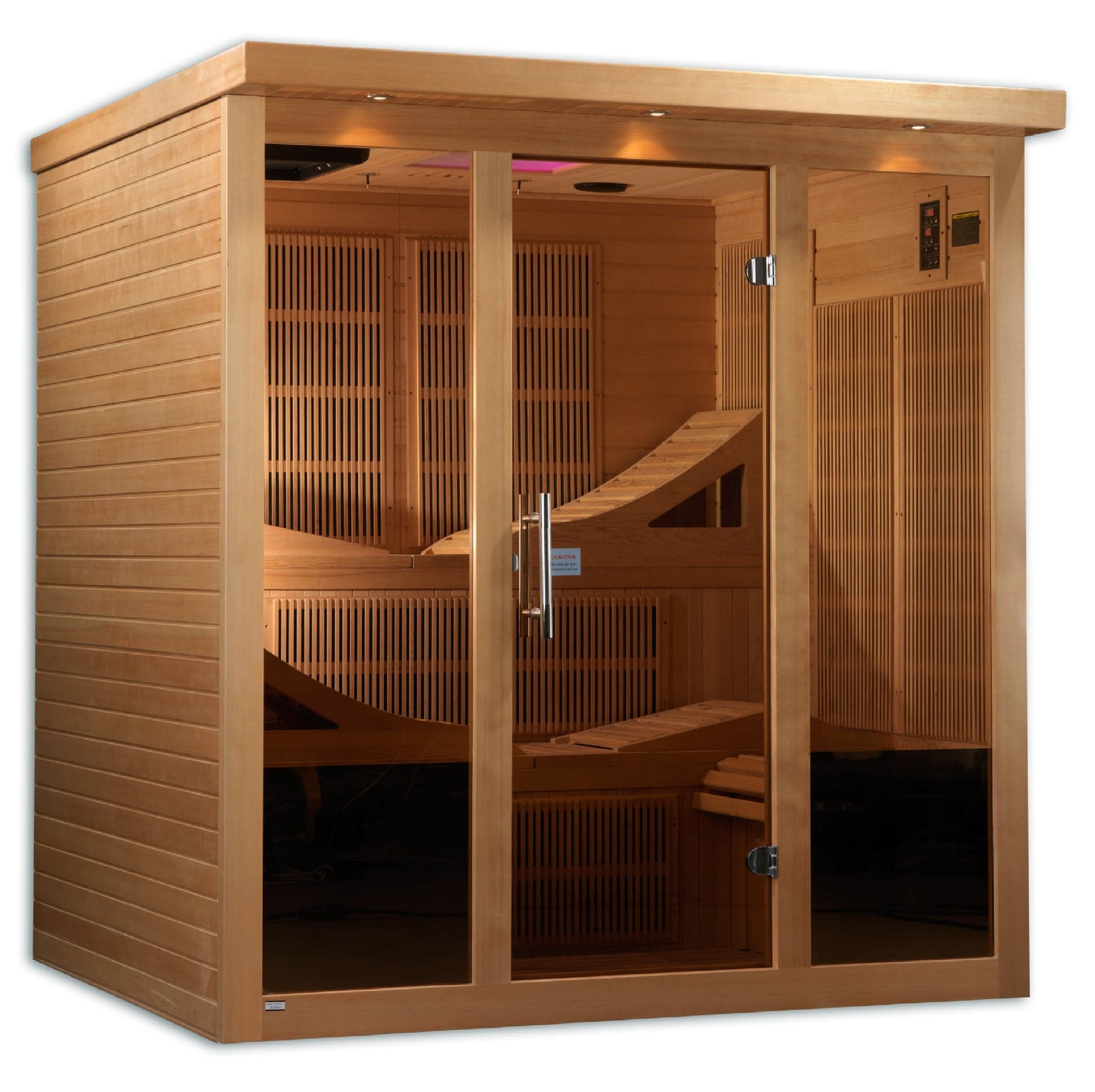
Golden Designs Monaco 6 Person
Spacious 6-person ultra-low-EMF far-infrared sauna in double-paneled Canadian Hemlock.