Best Cold Plunge Tubs: What to Know (2026)
A buyer's guide to cold plunge tubs — chiller vs ice, inflatable vs hard-shell, what to look for, and how to start contrast therapy safely.
Why Pair Cold With Heat
Cold plunging has exploded alongside saunas because the two pair so naturally: heat relaxes and opens you up, cold delivers a sharp, invigorating jolt, and alternating between them — contrast therapy — feels restorative. If you already have or want a sauna, a cold plunge is the obvious companion. See our contrast therapy guide for how to cycle them.
The Main Types
- Chiller-based tubs: a powered chiller holds the water at a set cold temperature (often 38–55°F) on demand. The most convenient and consistent — and the most expensive.
- Ice-only tubs: an insulated tub you fill and chill with ice. Far cheaper up front; you manage ice and temperature yourself.
- Inflatable vs hard-shell: inflatable/barrel tubs are affordable and portable; hard-shell and stainless units are durable, better-insulated, and look the part as a permanent fixture.
What to Look For
- Insulation: the better insulated, the less your chiller (or ice) works to hold temperature.
- Filtration & sanitation: a filter, ozone, or UV keeps water clean between changes.
- Fit & depth: you want to submerge to the shoulders comfortably.
- Chiller temperature range & noise if you go powered.
Safety First
Cold immersion stresses the cardiovascular system. Ease in with shorter, milder exposures, never plunge alone, skip alcohol, and get medical clearance if you have a heart or blood-pressure condition or are pregnant. Cold shock is real — start gradual.
Note on Brands
Leading cold-plunge brands (such as Plunge, Sun Home, Redwood Outdoors, and Renu Therapy) sell direct rather than through Amazon. As we add verified cold-plunge listings, they'll appear with confirmed pricing — this guide is the editorial primer in the meantime.
Top-Rated Saunas
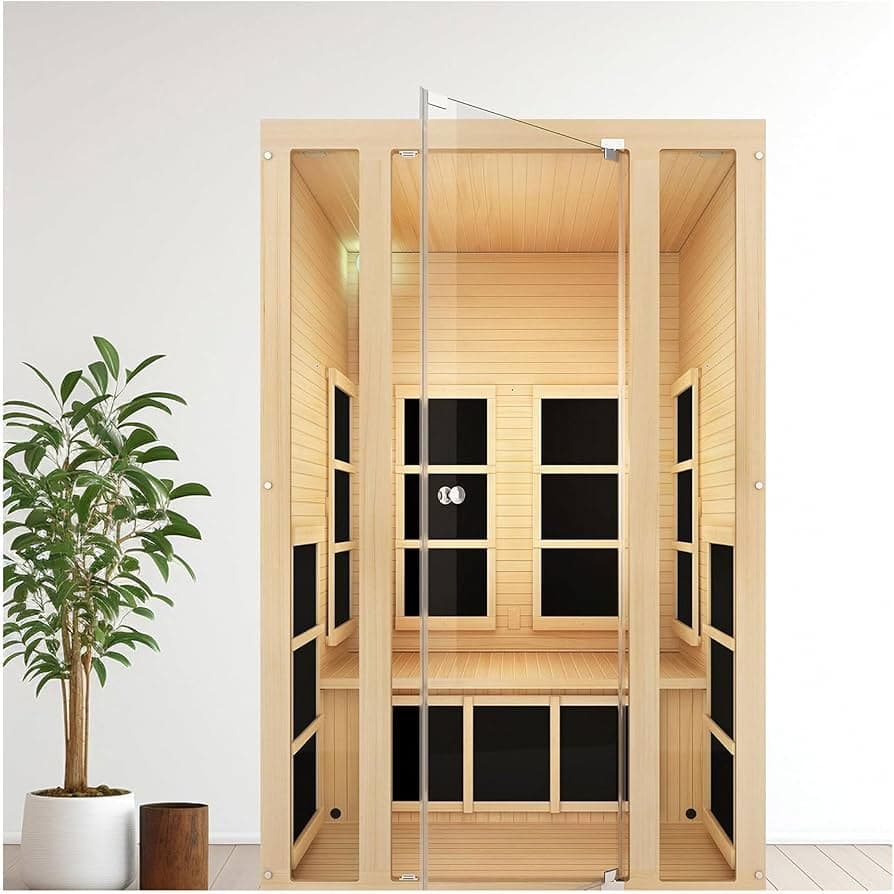
JNH Lifestyles Joyous 2 Person
A best-selling 2-person far-infrared sauna with 7 carbon-fiber heaters in a Canadian Hemlock cabin.
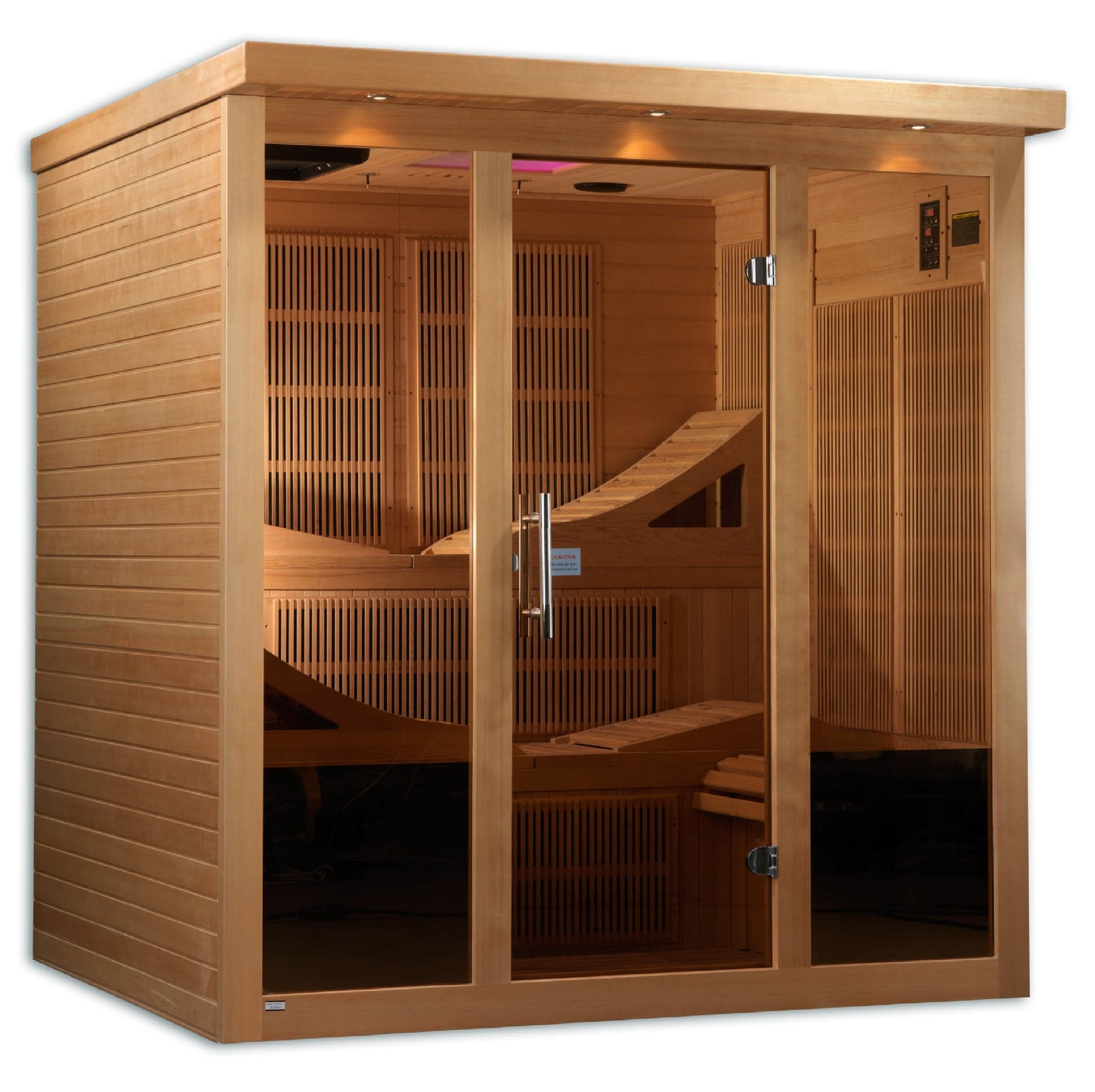
Golden Designs Monaco 6 Person
Spacious 6-person ultra-low-EMF far-infrared sauna in double-paneled Canadian Hemlock.